
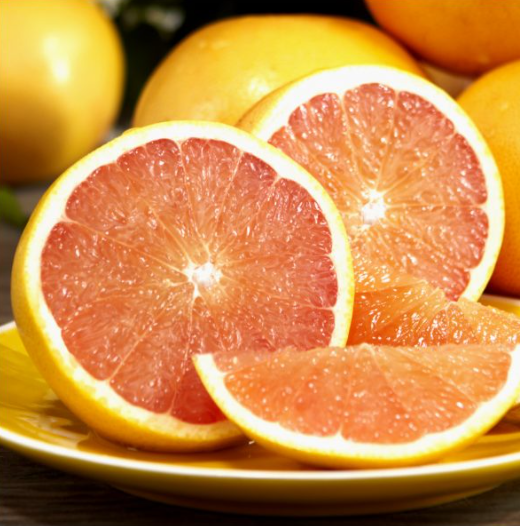


Grapefruit Red Ruby Bush
Original price
$29.00
-
Original price
$29.00
Original price
$29.00
$29.00
-
$29.00
Current price
$29.00
Red Ruby Grapefruit Bush (Citrus × paradisi 'Ruby Red') Growing and Care Guide
- Taste of the Fruit: The Red Ruby Grapefruit is prized for its sweet-tart balance with a rich, juicy flavor that is noticeably sweeter and less bitter than many older grapefruit varieties. The vibrant pink-to-red flesh offers a refreshing burst of citrus with subtle berry undertones and minimal pith bitterness when fully ripe, making it excellent for fresh eating, breakfast segments, juicing, and salads. The thin yellow skin with red blush is easy to peel, and the fruit develops its signature deep red color and sweetest taste in hot, sunny climates.
- Botanical Name and Common Names: The botanical name is Citrus × paradisi 'Ruby Red'. Common names include Red Ruby Grapefruit, Ruby Red Grapefruit, Red Grapefruit, and Ruby Red Marsh. It was the first commercially successful pigmented grapefruit variety, discovered as a mutation in Texas in the early 20th century.
- Average Height and Growth Rate: When maintained as a bush (typically on semi-dwarf rootstock and regularly pruned), a Red Ruby Grapefruit Bush reaches an average height of 8–12 feet tall and wide, though unpruned semi-dwarf trees can grow 12–18 feet. The growth rate is moderate to vigorous, with grafted young plants establishing well and usually beginning to produce fruit within 3–5 years under good conditions.
- Best Growing Environment and Sun Requirements: Red Ruby Grapefruit Bushes thrive in warm subtropical to tropical climates with well-draining, slightly acidic soil (pH 6.0–7.0) that is fertile and rich in organic matter. They require full sun with at least 8 hours (ideally 8–10 hours) of direct sunlight daily to promote heavy fruit set, deep red flesh coloration, and optimal sweetness; good air circulation helps prevent fungal diseases common in humid environments.
- USDA Zone and Cold Hardiness: The Red Ruby Grapefruit Bush is recommended for USDA Hardiness Zones 9–11. It has moderate cold hardiness for grapefruit, tolerating brief exposure to temperatures around 28–30F with protection, though prolonged freezes below 28F can damage fruit, leaves, and young wood. In cooler areas it performs best when grown in large containers that can be moved to a sheltered location during cold snaps.
- Water Requirements: These bushes need deep, infrequent watering to develop strong root systems while keeping the soil consistently moist but never waterlogged—excellent drainage is essential to prevent root rot. Newly planted or container-grown bushes may require watering 2–3 times per week in hot, dry weather, while established in-ground plants generally need thorough deep watering every 7–14 days during the growing season; reduce frequency in cooler months, allowing the top 1–2 inches of soil to dry slightly between waterings.
- Planting Guide: Plant Red Ruby Grapefruit Bushes in spring after the last frost risk has passed (or in fall in warmer zones) in a sunny, well-drained location. Dig a hole twice as wide as the root ball but no deeper, backfilling with native soil amended for drainage or a quality citrus potting mix in containers of at least 20–25 gallons with multiple drainage holes. Space in-ground bushes 8–12 feet apart; apply a 2–4 inch layer of organic mulch around the base (kept several inches away from the trunk) to conserve moisture, regulate soil temperature, and suppress weeds.
- Fertilizing Times of Year with Specific Recommended Fertilizer: Fertilize Red Ruby Grapefruit Bushes three times per year during the active growing season—typically in late winter/early spring (February, before bloom), late spring (May), and early summer (June)—to support healthy foliage, flowering, and fruit development without encouraging tender growth vulnerable to cold. Use a balanced citrus-specific fertilizer such as a slow-release 6-4-6, 8-3-9, or 7-4-4 formula enriched with essential micronutrients (magnesium, iron, zinc, manganese, and calcium); apply according to label rates based on tree size, water deeply afterward, and avoid fertilizing from late fall through mid-winter to reduce risk of cold damage.