
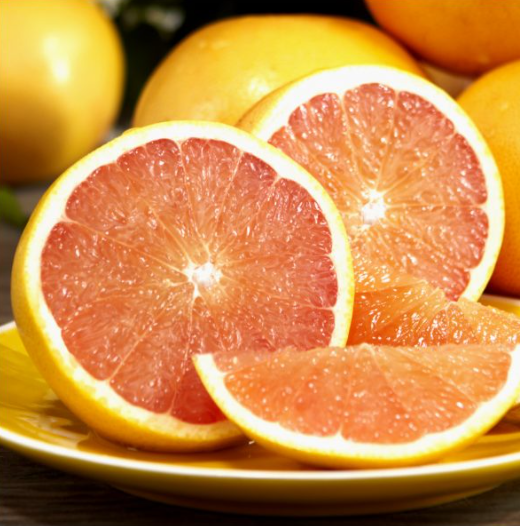

Grapefruit Red Ruby Tree
Sold out
Original price
$199.00
Original price
$199.00
-
Original price
$199.00
Original price
$199.00
Current price
$125.00
$125.00
-
$125.00
Current price
$125.00
The Red Ruby Grapefruit tree (Citrus x paradisi), a vibrant and productive citrus variety, is cherished for its juicy, tangy-sweet fruit and adaptability to warm climates. Native to Texas, this evergreen tree is a staple in subtropical regions, offering both ornamental appeal and delicious harvests. Below is a comprehensive guide to its characteristics and care requirements.Taste
Red Grapefruit varieties, such as 'Ruby Red,' 'Rio Red,' 'Flame,' and 'Star Ruby,' produce fruit with a bright, tangy flavor balanced by a subtle sweetness. The flesh is typically deep pink to reddish, juicy, and less bitter than traditional white grapefruit, with a refreshing, slightly tart finish. These grapefruits are excellent for fresh eating, juicing, or incorporating into salads and desserts, with their vibrant color adding visual appeal.Best Growing Environment
Red Grapefruit trees thrive in warm, subtropical to tropical climates with well-drained, loamy soil and a pH of 5.5 to 6.5. They prefer high humidity and protection from strong winds, which can damage fruit or branches. Planting on the southern side of a property maximizes sun exposure and provides some winter protection. While adaptable to various soil types, including sandy or clay soils, good drainage is critical to prevent root rot.Common Names
Red Grapefruit trees are known by several names, reflecting their distinct varieties and regional popularity:
Mature Red Grapefruit trees typically reach 15 to 25 feet in height with a canopy spread of 15 to 20 feet, depending on pruning and growing conditions. Dwarf varieties, ideal for containers or smaller spaces, grow to about 8 to 12 feet tall. Regular pruning can maintain a more compact size for easier harvesting and garden integration.Growth Rate
Red Grapefruit trees have a moderate growth rate, adding about 1 to 2 feet per year under optimal conditions. They typically take 2 to 3 years to establish and begin bearing fruit, with full productivity reached after 5 to 10 years. Consistent care, including proper watering and fertilization, accelerates growth and fruit production.Sun Requirements
These trees require full sun, needing at least 6 to 8 hours of direct sunlight daily to produce robust fruit and maintain healthy foliage. Insufficient sunlight can reduce flowering and fruit yield, so choose an open, unshaded location for planting.Cold Hardiness
Red Grapefruit trees are hardy in USDA Zones 9 to 11, tolerating temperatures as low as 25F to 30F (-4°C to -1°C) once established. Young trees are more frost-sensitive and may require protection, such as blankets or burlap wraps, during cold snaps. In cooler regions like Zone 8b, container planting allows trees to be moved indoors during freezes.Water Requirements
Red Grapefruit trees have moderate water needs. Young trees require deep watering 2 times per week for the first 2 months, then once or twice weekly during spring and summer, and 2 to 3 times monthly in fall and winter, depending on rainfall. Mature trees are drought-tolerant but benefit from deep watering every other week in warm months and once or twice monthly in cooler months. Avoid overwatering to prevent root issues, ensuring soil dries slightly between waterings.Planting Guide
To plant a Red Grapefruit tree:
Fertilize Red Grapefruit trees to support growth and fruiting:
Red Grapefruit trees are best suited for USDA Hardiness Zones 9 to 11. They thrive in regions like southern California, southern Florida, Arizona, and Texas, where winters are mild. In Zone 8b, they can be grown with winter protection or in containers moved indoors during cold weather.
Red Grapefruit varieties, such as 'Ruby Red,' 'Rio Red,' 'Flame,' and 'Star Ruby,' produce fruit with a bright, tangy flavor balanced by a subtle sweetness. The flesh is typically deep pink to reddish, juicy, and less bitter than traditional white grapefruit, with a refreshing, slightly tart finish. These grapefruits are excellent for fresh eating, juicing, or incorporating into salads and desserts, with their vibrant color adding visual appeal.Best Growing Environment
Red Grapefruit trees thrive in warm, subtropical to tropical climates with well-drained, loamy soil and a pH of 5.5 to 6.5. They prefer high humidity and protection from strong winds, which can damage fruit or branches. Planting on the southern side of a property maximizes sun exposure and provides some winter protection. While adaptable to various soil types, including sandy or clay soils, good drainage is critical to prevent root rot.Common Names
Red Grapefruit trees are known by several names, reflecting their distinct varieties and regional popularity:
- Ruby Red
- Rio Red
- Flame
- Star Ruby
- Redblush
Mature Red Grapefruit trees typically reach 15 to 25 feet in height with a canopy spread of 15 to 20 feet, depending on pruning and growing conditions. Dwarf varieties, ideal for containers or smaller spaces, grow to about 8 to 12 feet tall. Regular pruning can maintain a more compact size for easier harvesting and garden integration.Growth Rate
Red Grapefruit trees have a moderate growth rate, adding about 1 to 2 feet per year under optimal conditions. They typically take 2 to 3 years to establish and begin bearing fruit, with full productivity reached after 5 to 10 years. Consistent care, including proper watering and fertilization, accelerates growth and fruit production.Sun Requirements
These trees require full sun, needing at least 6 to 8 hours of direct sunlight daily to produce robust fruit and maintain healthy foliage. Insufficient sunlight can reduce flowering and fruit yield, so choose an open, unshaded location for planting.Cold Hardiness
Red Grapefruit trees are hardy in USDA Zones 9 to 11, tolerating temperatures as low as 25F to 30F (-4°C to -1°C) once established. Young trees are more frost-sensitive and may require protection, such as blankets or burlap wraps, during cold snaps. In cooler regions like Zone 8b, container planting allows trees to be moved indoors during freezes.Water Requirements
Red Grapefruit trees have moderate water needs. Young trees require deep watering 2 times per week for the first 2 months, then once or twice weekly during spring and summer, and 2 to 3 times monthly in fall and winter, depending on rainfall. Mature trees are drought-tolerant but benefit from deep watering every other week in warm months and once or twice monthly in cooler months. Avoid overwatering to prevent root issues, ensuring soil dries slightly between waterings.Planting Guide
To plant a Red Grapefruit tree:
- Select a sunny, high-elevation site with well-drained soil, at least 25 to 30 feet from structures or other trees.
- Dig a hole twice as wide and as deep as the root ball.
- Amend soil with compost if needed to improve drainage and fertility.
- Place the tree in the hole, keeping the bud union (graft) above the soil line.
- Backfill with soil, tamp gently, and water deeply.
- Apply 3 to 4 inches of organic mulch (e.g., compost or pine needles) around the base, keeping it 12 to 15 inches from the trunk to prevent rot.
- For container planting, use a pot twice the size of the nursery container with drainage holes and a citrus-specific potting mix.
Fertilize Red Grapefruit trees to support growth and fruiting:
- First Year (after planting): Apply 1/3 cup of 21-0-0 ammonium sulfate fertilizer, split into two feedings—once after new growth emerges (spring) and once in August. Spread around the canopy edge and water in well.
- Second and Third Years: Apply 2 cups of 21-0-0, divided equally into three applications in February, April, and August.
- Mature Trees (4+ years): Apply 4 cups of 21-0-0, split into three applications in February, April, and August. Avoid fertilizing after mid-September to prevent late-season growth vulnerable to frost.
Always follow package instructions to avoid over-fertilization, which can cause root burn. For potted trees, fertilize 3 to 4 times annually with a balanced citrus fertilizer (e.g., 8-8-8) due to faster nutrient leaching.
Red Grapefruit trees are best suited for USDA Hardiness Zones 9 to 11. They thrive in regions like southern California, southern Florida, Arizona, and Texas, where winters are mild. In Zone 8b, they can be grown with winter protection or in containers moved indoors during cold weather.